
Electric Solenoid Valves Simplify Fluid Management Across Industrial Equipment
Automated fluid handling plays an important role in maintaining productivity, accuracy, and consistency across modern industrial operations. Efficient solenoid valve mechanisms contribute to these objectives by providing reliable electrical control over liquid and gas movement. Their carefully engineered components allow systems to regulate fluid pathways with precision while supporting convenient automation. With suitable designs and dependable operating principles, solenoid valves help improve equipment functionality and create smoother fluid management processes across diverse applications.
Understanding Solenoid Valve Operating Mechanisms
Solenoid valves operate through electromagnetic principles that convert electrical energy into mechanical movement. When an electrical current passes through the coil, a magnetic field develops and moves an internal plunger or armature. This action controls the valve opening, allowing fluid to flow or stop according to system requirements.
Important operating characteristics include:
- Electromagnetic activation: Converts electrical signals into controlled mechanical movement.
- Automatic switching: Supports convenient opening and closing operations.
- Precise flow regulation: Helps maintain consistent fluid movement.
- Compact mechanisms: Allow integration into different equipment configurations.
- Responsive operation: Supports quick reactions to changing control signals.
Exploring Different Solenoid Valve Configurations
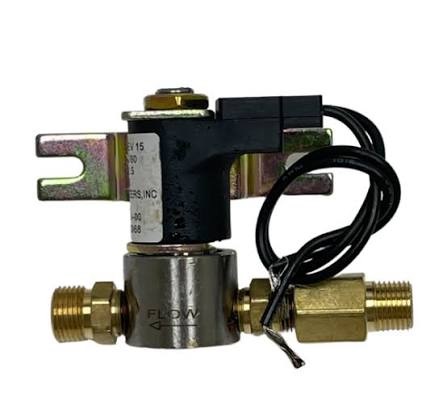
Different solenoid valve mechanisms accommodate varying pressure conditions, flow requirements, and application needs. Selecting an appropriate configuration helps achieve efficient fluid handling while supporting reliable equipment performance.
Common configurations offer several useful advantages:
- Direct-acting valves: Use electromagnetic force to operate the internal sealing mechanism directly.
- Pilot-operated valves: Utilize fluid pressure to assist valve movement in suitable applications.
- Normally closed valves: Keep the passage closed when electrical power is unavailable.
- Normally open valves: Maintain an open passage without electrical activation.
- Multi-way valves: Direct fluid through different pathways according to operational requirements.
Improving Automated Fluid Handling Performance
Efficient solenoid valve mechanisms support automation by controlling fluid movement through electrical signals. Their ability to operate consistently helps equipment maintain coordinated processes and dependable performance throughout regular operating cycles.
Key performance benefits include:
- Operational accuracy: Supports controlled fluid distribution across connected equipment.
- Faster response: Enables timely switching during automated processes.
- Reduced manual intervention: Simplifies routine fluid control activities.
- Consistent functionality: Helps maintain predictable operating conditions.
- System flexibility: Accommodates different fluid handling requirements.
Importance Of Materials And Component Quality
Quality materials and precise manufacturing contribute significantly to solenoid valve durability and performance. Carefully designed coils, internal springs, seals, and valve bodies work together to support dependable operation under suitable working conditions.
Important construction features include:
- Corrosion-resistant body materials for improved service life.
- Durable sealing components for effective fluid containment.
- Precisely manufactured plungers for smooth movement.
- Efficient electromagnetic coils for dependable activation.
- Carefully designed internal passages for consistent flow characteristics.
Selecting Suitable Solenoid Valve Specifications
Choosing an appropriate valve requires understanding the operating environment and application requirements. Reviewing technical specifications helps ensure compatibility and supports effective fluid management.
Important selection considerations include:
- Fluid type and material compatibility.
- Required pressure range and flow capacity.
- Electrical voltage and coil requirements.
- Port sizes and connection arrangements.
- Operating temperature and installation conditions.
For additional technical understanding, readers can explore https://www.vincervalve.com/what-is-a-solenoid-valve/ to learn about valve fundamentals and operating principles.
Conclusion
Efficient solenoid valve mechanisms provide dependable solutions for automated fluid handling by combining electromagnetic control, precision engineering, and versatile configurations. Their responsive operation, quality components, and adaptable designs support smooth fluid movement across industrial systems. Understanding their mechanisms and selecting suitable specifications encourages reliable automation, improved process coordination, and consistent operational performance.